Let's talk
Whether it’s a new project or a quick question, we’re here to connect.
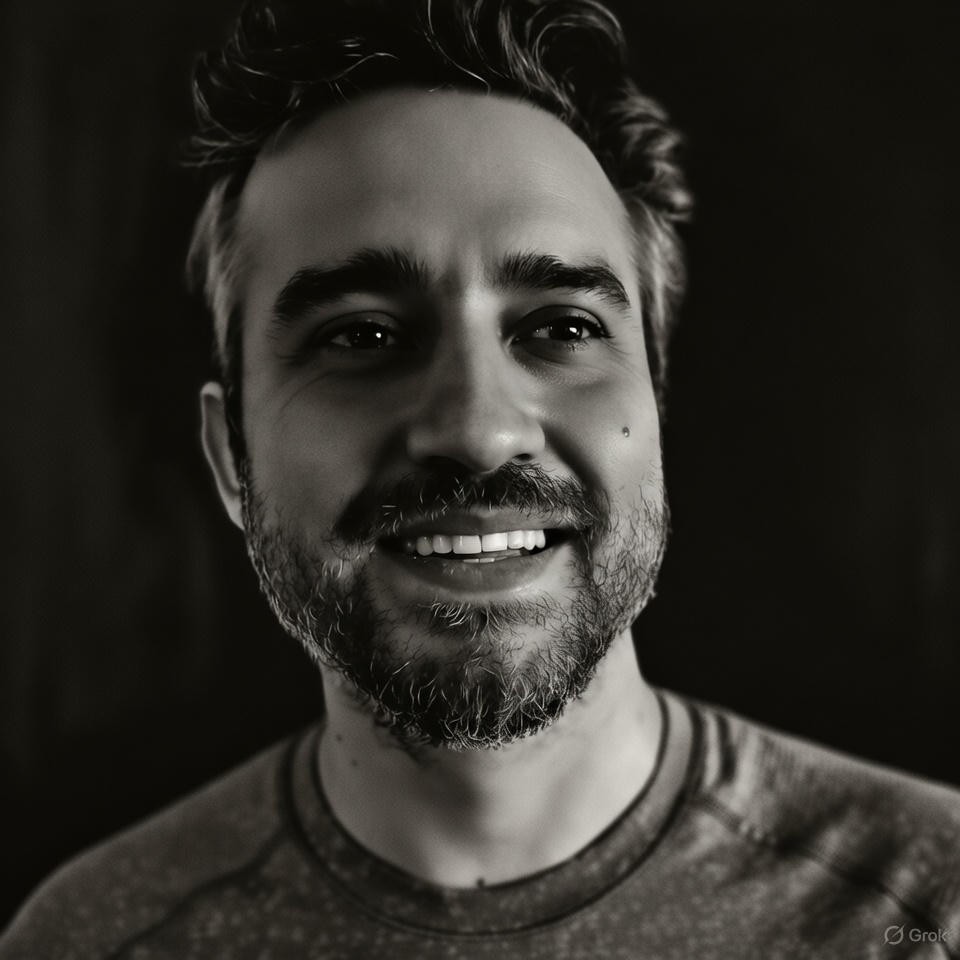
Manuel Galup
Owner/Founder
Address
123 Creative Lane, Washington, D.C., 20001
Office Hours
Monday to Friday: 9:00 AM – 6:00 PM
Get in Touch
We’d love to hear from you. Whether you’re starting a new project, need help refining an idea, or just want to say hello, we’re here to help.
Fill out the form below or reach out via email—we’ll get back to you as soon as possible. Let’s create something great together.
Let's talk
Whether it’s a new project or a quick question, we’re here to connect.
Manuel Galup
Owner/Founder
Address
123 Creative Lane, Washington, D.C., 20001
Office Hours
Monday to Friday: 9:00 AM – 6:00 PM
Get in Touch
We’d love to hear from you. Whether you’re starting a new project, need help refining an idea, or just want to say hello, we’re here to help.
Fill out the form below or reach out via email—we’ll get back to you as soon as possible. Let’s create something great together.
FAQ
We’ve heard it all. Here’s everything you need to know before working with us.
Who is CBF for?
CBF is for high-performers dealing with pain, movement limitations, or physical decline who are willing to put in the work. This system is built for people ready to change their habits, commit to consistent training, and take ownership of their physical health. If you've tried everything else and need expert guidance to finally address the root cause—not just manage symptoms—CBF is for you.
Who is CBF not for?
CBF isn't for people seeking quick fixes or looking for someone to do the work for them. This system requires discipline, consistency, and a willingness to change—not just your exercises, but your habits. If you're not ready to learn how your body works, stay committed to a training schedule, or take ownership of your effort and lifestyle changes, this isn't the right fit.
What makes CBF different from physical therapy or personal training?
Physical therapists treat injuries. Personal trainers focus on aesthetics. CBF addresses the biomechanical imbalances that cause your problems in the first place. Most people come to me after PT didn't fix the issue or training made it worse. I use a systematic approach to eliminate pain, restore full movement capacity, and build a body that performs for decades—not just until your next flare-up.
How long does it take to see results with CBF?
Results depend on how long you've been dealing with the issue, how ingrained your movement patterns are, and your consistency with the program. Some clients feel improvement within weeks; others need months to rebuild proper biomechanics. We don't offer timelines because this isn't a 6-week fix—it's a systematic process. Think of CBF like training at a premium gym: you stay as long as you need to reach your goals, and you can return anytime if issues resurface. The work compounds over time.
How does Zoom coaching work?
Live sessions are conducted via Zoom with multiple clients in separate private windows. You receive personalized attention, real-time movement screening, and immediate form corrections—similar to 1-on-1 training while maintaining complete privacy. You don't need a gym—most work can be done with minimal equipment at home.
Can I pause or freeze my membership?
No. CBF memberships run continuously and do not pause for vacations, holidays, trips, illness, or personal circumstances. We work with people managing pain and movement limitations—holding a schedule slot while you're away means someone else who needs help can't access it. If you need to step away, you can cancel your membership and re-enroll when you're ready. This structure is designed for clients who commit to consistent training. • In rare circumstances, CBF may pause memberships at our discretion, but this is not something clients can request.
Do I need to be in pain to work with you?
No. Many clients come to CBF to prevent future problems, return to sports they've abandoned, or build resilience as they age. Pain is one reason people seek corrective coaching, but it's not the only one.
Who is CBF for?
CBF is for high-performers dealing with pain, movement limitations, or physical decline who are willing to put in the work. This system is built for people ready to change their habits, commit to consistent training, and take ownership of their physical health. If you've tried everything else and need expert guidance to finally address the root cause—not just manage symptoms—CBF is for you.
Who is CBF not for?
CBF isn't for people seeking quick fixes or looking for someone to do the work for them. This system requires discipline, consistency, and a willingness to change—not just your exercises, but your habits. If you're not ready to learn how your body works, stay committed to a training schedule, or take ownership of your effort and lifestyle changes, this isn't the right fit.
What makes CBF different from physical therapy or personal training?
Physical therapists treat injuries. Personal trainers focus on aesthetics. CBF addresses the biomechanical imbalances that cause your problems in the first place. Most people come to me after PT didn't fix the issue or training made it worse. I use a systematic approach to eliminate pain, restore full movement capacity, and build a body that performs for decades—not just until your next flare-up.
How long does it take to see results with CBF?
Results depend on how long you've been dealing with the issue, how ingrained your movement patterns are, and your consistency with the program. Some clients feel improvement within weeks; others need months to rebuild proper biomechanics. We don't offer timelines because this isn't a 6-week fix—it's a systematic process. Think of CBF like training at a premium gym: you stay as long as you need to reach your goals, and you can return anytime if issues resurface. The work compounds over time.
How does Zoom coaching work?
Live sessions are conducted via Zoom with multiple clients in separate private windows. You receive personalized attention, real-time movement screening, and immediate form corrections—similar to 1-on-1 training while maintaining complete privacy. You don't need a gym—most work can be done with minimal equipment at home.
Can I pause or freeze my membership?
No. CBF memberships run continuously and do not pause for vacations, holidays, trips, illness, or personal circumstances. We work with people managing pain and movement limitations—holding a schedule slot while you're away means someone else who needs help can't access it. If you need to step away, you can cancel your membership and re-enroll when you're ready. This structure is designed for clients who commit to consistent training. • In rare circumstances, CBF may pause memberships at our discretion, but this is not something clients can request.
Do I need to be in pain to work with you?
No. Many clients come to CBF to prevent future problems, return to sports they've abandoned, or build resilience as they age. Pain is one reason people seek corrective coaching, but it's not the only one.